
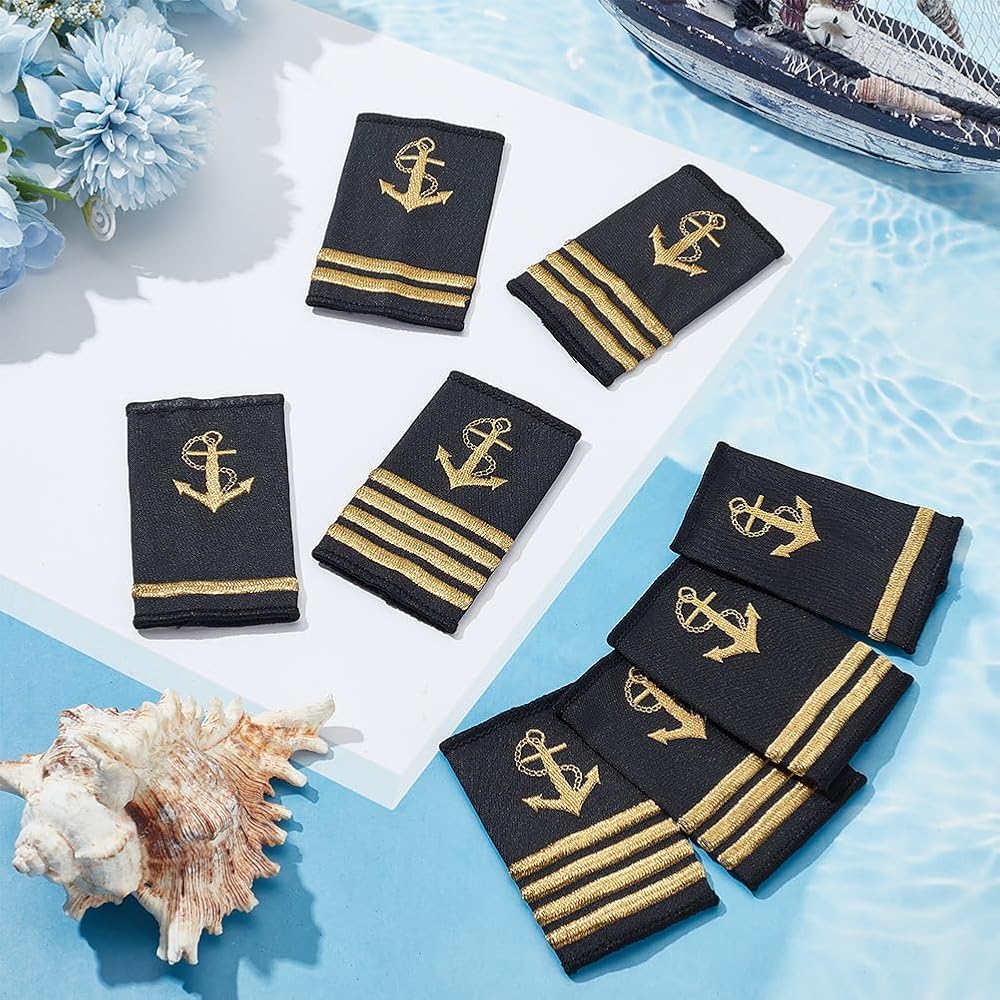
This guide covers the key checks buyers should make so the final set arrives correct the first time.
What are the epaulettes for, and who will wear them?
When ordering Custom Epaulettes Australia, they should start by defining the job the epaulettes need to do and the uniform they must match. Dress epaulettes for ceremonial use are usually more detailed, while operational epaulettes prioritise durability and quick identification.
They should confirm the wearer group too, such as cadets, security, hospitality, emergency services, or corporate staff, because sizing and attachment methods often differ across garments.
What shoulder fit and sizing details are required?
They should measure the base that will sit on the shoulder, not guess. The same “size” can fit differently depending on jacket cut, shoulder slope, and where the shoulder seam sits.
They should confirm length and width, the end shape (rounded, squared, pointed), and whether the epaulette needs padding to keep its profile. If the epaulette slides around, it usually means the base size or fastening position was not matched to the garment.
What attachment method will work with the uniform?
They should choose an attachment that suits the garment and how often it will be removed. Common options include button and strap, Velcro, sew-on, slider loops, or clip systems.
If the epaulettes will be swapped frequently for rank changes, removable attachments can reduce uniform wear. If the epaulettes must never shift, a more fixed method is often better. They should also confirm who is responsible for sewing or fitting, the supplier or the customer.
What materials and finishes should be specified upfront?
They should select materials based on use, not just appearance. For frequent wear, abrasion-resistant fabrics and strong stitching matter more than ultra-fine decorative threads.
They should confirm the base fabric, edging or piping, thread type, and any metallic elements. If metallic bullion or lurex thread is used, they should ask about tarnish resistance and cleaning guidance. For outdoor use, they should check colour fastness and how the finish handles sweat and sun.
How should rank, insignia, and branding be applied?
They should decide whether details are embroidered, woven, printed, or made as separate appliqués. Embroidery looks premium and lasts well, but small text can be clearer with woven or printed methods depending on size.
They should request proof of layout at full scale, including placement from the edge and alignment down the centreline. If the epaulettes include logos, they should confirm whether artwork files are needed and which formats are accepted.
What colour matching and consistency checks are needed?
They should never rely on screen colours for uniform parts. The correct approach is matching to a physical sample, a Pantone reference, or an existing uniform component sent to the supplier.
They should ask how the supplier controls batch-to-batch consistency, especially if reorders are likely. If multiple units will order over time, they should keep a written specification that includes colour references, thread codes, and fabric names to avoid drift.
What minimum order quantities, lead times, and costs should be expected?
They should expect custom work to have a minimum order quantity and set-up costs, particularly for embroidery digitising, weaving programmes, or custom moulds for metal parts.
They should request a clear quote that separates unit price, set-up fees, sampling, delivery, and any rush charges. Lead times should be confirmed from artwork approval, not from the first email. If the epaulettes are needed for a parade, intake, or event, they should build in buffer time for revisions.
What sample and approval process will prevent mistakes?
They should request a pre-production sample or at least a detailed digital proof that shows exact dimensions. A sample is the safest way to confirm feel, stiffness, attachment placement, and real colour match.
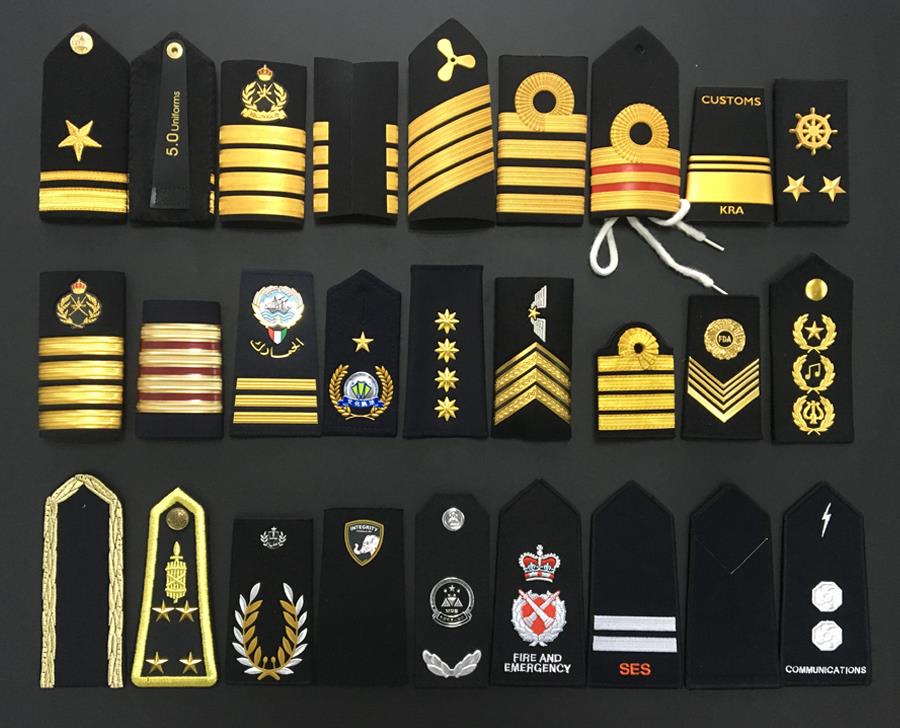
They should ensure approvals are captured in writing, including the final artwork version and measurements. If a buyer changes something midstream, they should ask how it affects lead time and cost before authorising production. See blazer badges made to order checklist.
What compliance, permissions, and use restrictions might apply?
They should confirm whether the design is allowed for their intended use. Some insignia, ranks, and organisational marks can be restricted, and suppliers may require authorisation for certain styles.
If the epaulettes relate to regulated roles, they should check internal uniform policies and any relevant guidelines before ordering. This avoids wasted stock that cannot be issued.
What should they check on delivery?
They should inspect a small number first before distributing the whole batch. The key checks are sizing, stitching quality, attachment alignment, colour accuracy, and consistent placement of insignia across the set.
They should also confirm the count and any packaging requirements, especially if epaulettes must be issued per person. If something is wrong, they should document it with photos and contact the supplier quickly while the order details are still active.
What information should be included in the order brief?
They should send a single, clear brief so the supplier is not guessing. At minimum, it should include purpose, quantity, dimensions, attachment type, colours, artwork files, placement rules, uniform photos, deadlines, and delivery address details.
If they expect future reorders, they should ask the supplier to keep the specification on file and provide a final production summary. That makes the next order faster and far more consistent.
FAQs (Frequently Asked Questions)
What factors should I consider before ordering custom epaulettes in Australia?
Before ordering custom epaulettes, clarify their purpose, specifications, and production methods. Consider the intended use (ceremonial or operational), wearer group, shoulder fit and sizing, attachment methods, materials and finishes, colour matching, order quantities, lead times, approval processes, compliance requirements, delivery checks, and provide a clear order brief to ensure accuracy and satisfaction.
How do I determine the correct size and fit for custom epaulettes?
Measure the base that will sit on the shoulder accurately rather than guessing. Take into account jacket cut, shoulder slope, and seam position. Confirm length, width, end shape (rounded, squared, pointed), and whether padding is needed to maintain profile. Proper sizing prevents sliding or misalignment on the uniform.
What attachment methods are available for epaulettes and how do I choose the right one?
Common attachment methods include button and strap, Velcro, sew-on, slider loops, or clip systems. Choose based on garment type and frequency of removal—removable attachments suit frequent rank changes to reduce wear; fixed attachments offer stability if epaulettes must not shift. Confirm who will handle sewing or fitting—the supplier or customer.
Which materials and finishes are best suited for durable and matching epaulettes?
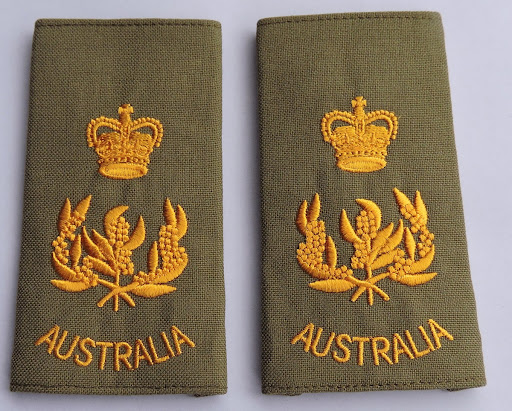
Select materials based on use rather than just appearance. For frequent wear, choose abrasion-resistant fabrics with strong stitching over delicate decorative threads. Specify base fabric, edging or piping style, thread types including metallic elements like bullion or lurex with considerations for tarnish resistance and cleaning guidance. For outdoor use ensure colour fastness against sweat and sun exposure.
How should rank insignia and branding be applied to custom epaulettes?
Decide between embroidery for a premium durable finish; woven or printed methods may offer clearer small text depending on size; separate appliqués are also an option. Request full-scale layout proofs showing placement from edges and centreline alignment. Provide artwork files in accepted formats if including logos to ensure accurate reproduction.
What steps help ensure colour consistency when ordering multiple sets of epaulettes?
Never rely solely on screen colours; instead match colours using physical samples, Pantone references, or existing uniform components sent to the supplier. Inquire about supplier controls for batch-to-batch consistency especially for reorders. Maintain written specifications including colour references, thread codes, and fabric names to avoid colour drift over time.