
This guide covers the practical decisions that matter most, so they can order with confidence and avoid costly re-runs.
What are made-to-order blazer badges, and when do they make sense?
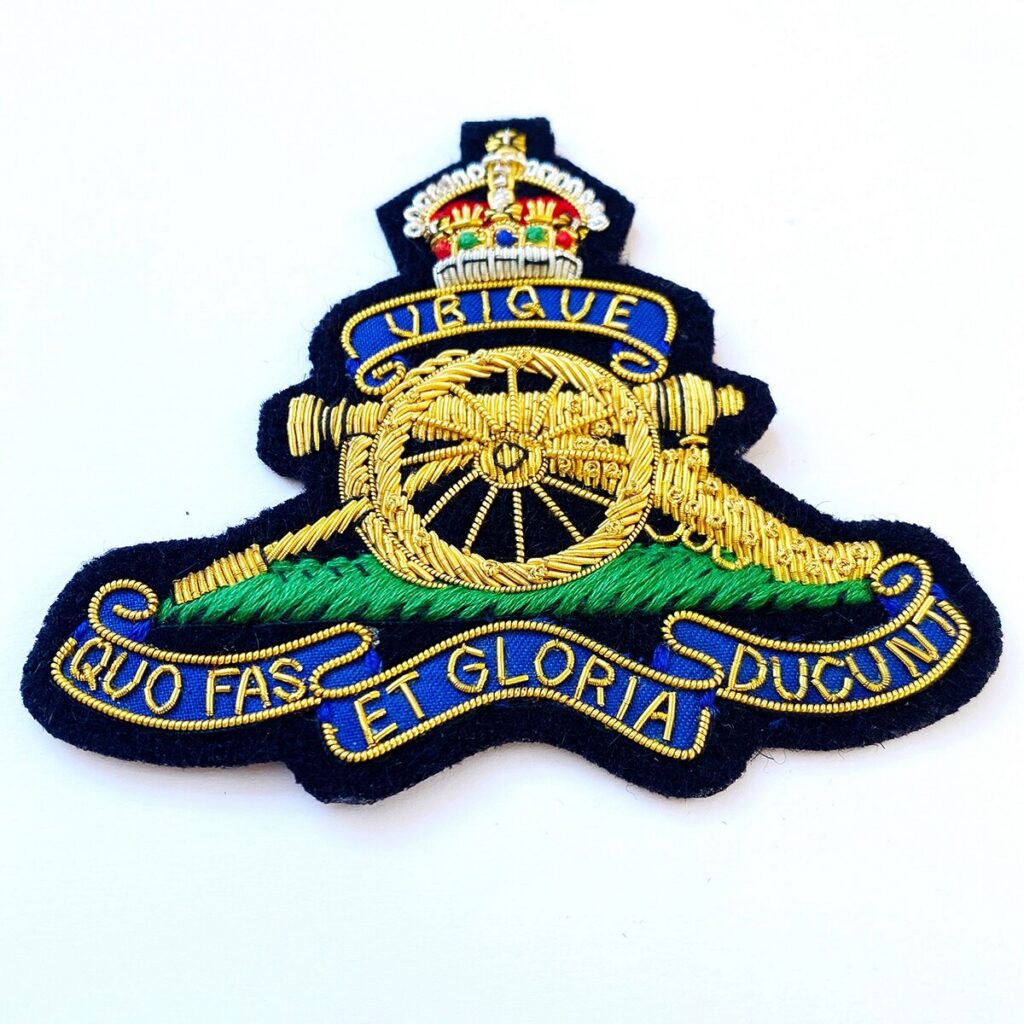
Blazer badges made-to-order are custom crests or emblems produced to a specific design, size, and finish. They make sense when a club, school, society, team, or brand needs a consistent look across multiple blazers.
They are also worth it when off-the-shelf badges will not match the organisation’s colours, lettering, or heritage details.
What information should they gather before requesting a quote?
They should start with the basics: quantity, required delivery date, badge size, and where it will be worn (breast pocket, chest, sleeve). Suppliers usually also need the design files, preferred backing, and whether they want sewing or an adhesive option.
It also helps to share the blazer fabric type and colour so the badge finish is chosen to complement it.
Which badge type should they choose: embroidered, woven, printed, or metal?
Embroidery is the classic choice for blazer badges and looks premium on textured fabrics, but very small text can lose clarity. Woven badges handle fine detail better because the threads are thinner, so crests with small lettering often look cleaner.
Printed badges suit gradients and photo-like detail, but may look less traditional. Metal badges can look formal, though they are usually used as pins rather than stitched blazer crests.
How do they pick the right size and shape for a blazer?
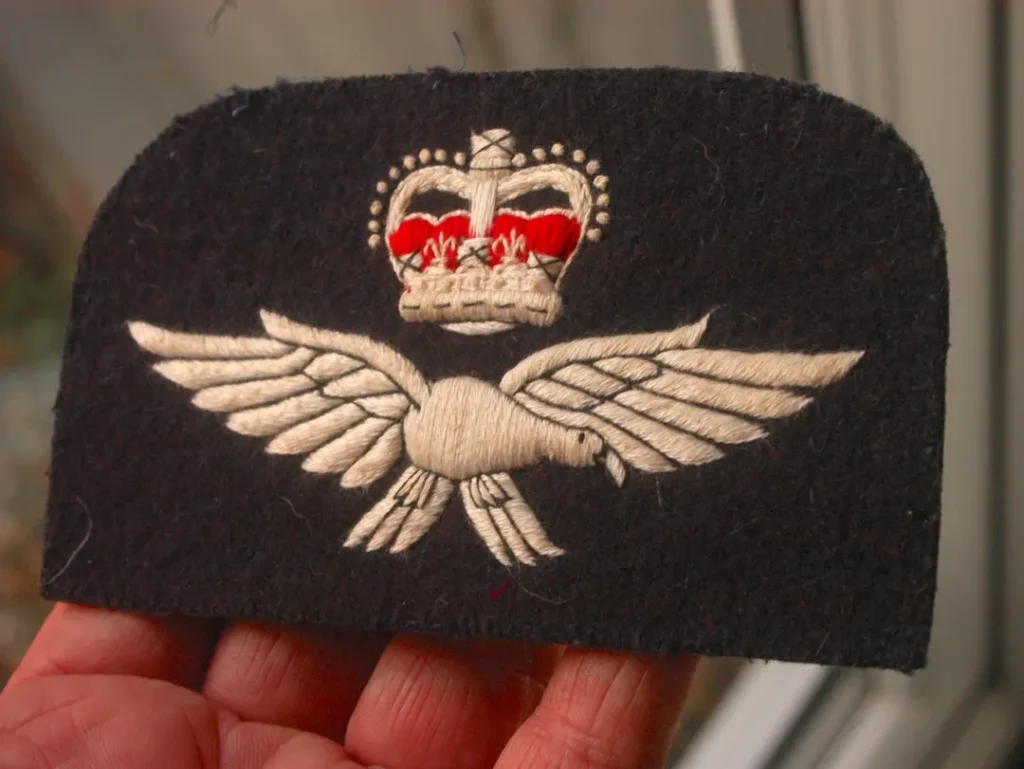
Most blazer badges are sized to sit neatly on the left breast pocket without touching seams. If they are unsure, they should measure the pocket width and height, then leave a comfortable margin so the badge does not look cramped.
They should also consider shape. Shields and circles read well from a distance, while complex outlines can look messy on a blazer.
What materials and finishes affect how “premium” a badge looks?
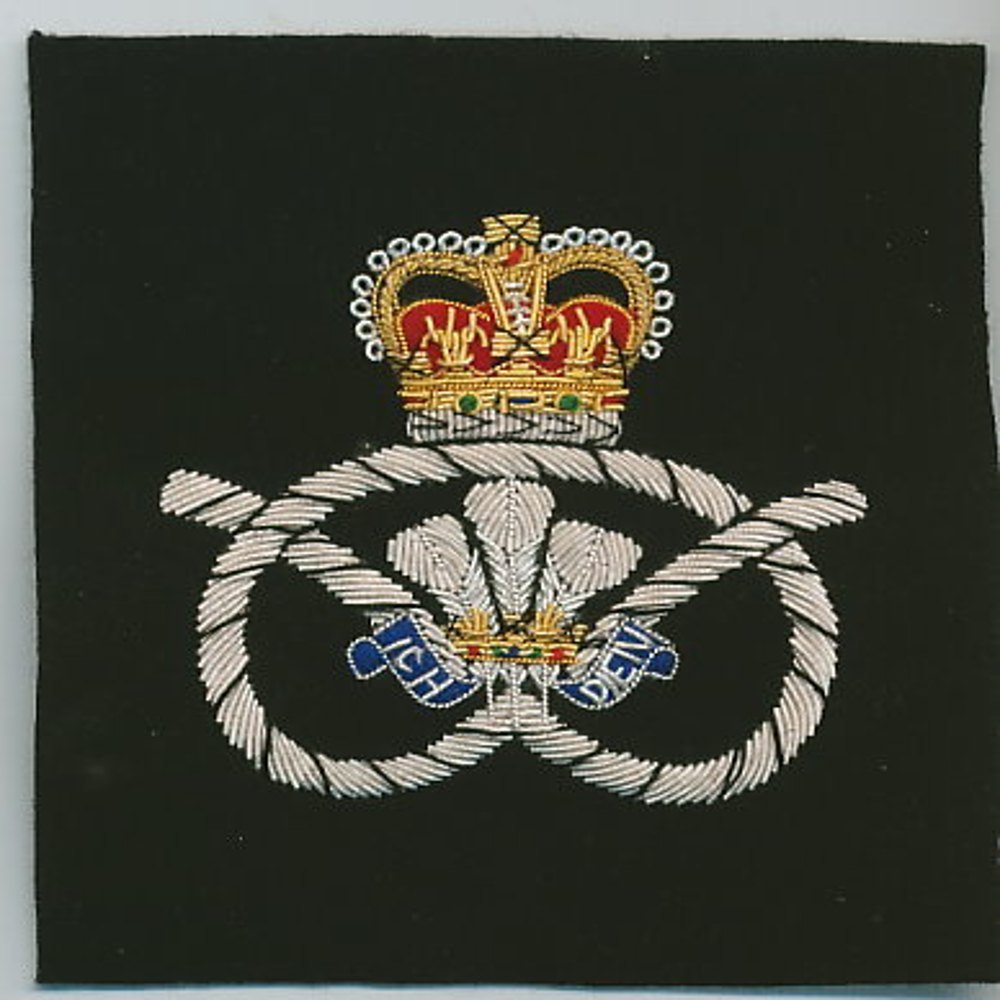
Thread quality, stitch density, and border finishing make a bigger difference than most people expect. A merrowed edge is common and durable, while a satin stitch border can look cleaner for modern designs.
If they want a more formal look, metallic threads can add shine, but they should be used sparingly because they can overpower the design and show imperfections more easily.
What backing options should they choose for stitching or attaching?
For blazers, sew-on backing is usually the safest choice because it sits flat and survives cleaning better. Iron-on or heat-seal backing can be convenient, but it depends on blazer fabric and pressing temperature, so it is not always suitable.
Velcro backing is useful when badges must be swapped, but it adds thickness and can pull on lighter fabrics.
How should they prepare the artwork so it embroiders well?
They should provide the cleanest version of the logo available, ideally a vector file (AI, EPS, or PDF). If only a raster image exists (PNG or JPG), it needs to be high resolution and free of blur.
They should also simplify tiny details and increase letter spacing where possible. Embroidery is physical thread, so hairline shapes and very small text can fill in.
Why is the sew-out or sample approval stage so important?
The sample is where problems show up: colours that look off, text that becomes unreadable, or borders that ripple. Approving a sample protects them from receiving a full batch with the same flaw repeated.
They should review the sample under natural light and from a few steps away, because that is how most people will see it on a blazer. See how to choose custom epaulettes in Australia.
How do they choose thread colours and avoid mismatches?
They should not rely on screens, because colours vary by display and lighting. The safest approach is to use a recognised thread colour chart and specify exact references rather than “navy” or “gold”.
If the badge must match an existing blazer trim, they should send a physical reference or agree an acceptable tolerance in writing.
What order quantities and pricing traps should they watch for?
Custom badges often have set-up costs, so unit prices drop as quantities increase. If they order too few, they may overpay; if they order too many, they risk waste if the design changes.
They should also check whether the quote includes sampling, digitising, backing, and delivery. Hidden extras are common, especially when artwork needs rebuilding.
What lead times should they expect, especially for events?
Most delays come from artwork revisions and sample approval, not the actual production run. If they have a fixed event date, they should build in time for at least one round of changes.
They should also ask whether production and shipping are handled locally or overseas, because that can affect both speed and customs delays.
What quality checks should they do when the badges arrive?
They should check a handful from different parts of the batch, not just the top one. The key things to inspect are consistent sizing, clean borders, readable text, and thread trims with no loose tails.
They should also test how the badge sits on the blazer. If it puckers or curls, the backing or stitch density may be wrong for the fabric.
What should they confirm with the supplier to avoid misunderstandings?
They should confirm the final approved artwork version, exact dimensions, thread colour references, backing type, border finish, and packaging. They should also confirm what happens if a batch arrives with defects, including re-make timelines.
Getting these details in writing is not overkill. It is the simplest way to protect budget, deadlines, and the final look on the blazer.
FAQs (Frequently Asked Questions)
What are made-to-order blazer badges and when should an organisation consider them?
Made-to-order blazer badges are custom-designed crests or emblems tailored to specific designs, sizes, and finishes. They are ideal for clubs, schools, societies, teams, or brands seeking a consistent and unique look across multiple blazers, especially when off-the-shelf badges don’t match the organisation’s colours, lettering, or heritage details.
Which types of blazer badges are available and how do I choose the right one?
Blazer badges come in embroidered, woven, printed, and metal types. Embroidered badges offer a classic premium look suitable for textured fabrics but may lose clarity with very small text. Woven badges handle fine detail better due to thinner threads, making them ideal for crests with small lettering. Printed badges suit gradients and photo-like details but can appear less traditional. Metal badges provide a formal appearance but are usually pins rather than stitched crests.
How do I determine the appropriate size and shape for my blazer badge?
Most blazer badges are sized to fit neatly on the left breast pocket without touching seams. Measure the pocket’s width and height and allow a comfortable margin to avoid a cramped look. Shapes like shields and circles read well from a distance, while complex outlines may appear messy on a blazer.
What materials and finishes contribute to a premium-looking blazer badge?
Thread quality, stitch density, and border finishing significantly impact the badge’s appearance. A merrowed edge is durable and common, while a satin stitch border offers a cleaner look for modern designs. Metallic threads add shine for a formal touch but should be used sparingly as they can overpower designs and highlight imperfections.
What backing options are best for attaching blazer badges securely?
Sew-on backing is generally the safest choice for blazers as it lies flat and withstands cleaning well. Iron-on or heat-seal backings offer convenience but depend on fabric type and pressing temperatures. Velcro backing allows badge swapping but adds thickness and may strain lighter fabrics.
Why is sample approval crucial before full production of blazer badges?
Approving a sample (sew-out) helps identify issues like colour inaccuracies, unreadable